Why Kids Get Bored So Easily Today (And What Actually Helps)

Have you noticed this, your child gets excited about something……and just a few minutes later, they’re already bored.
A toy they loved yesterday? Ignored today
A video they picked themselves? Switched halfway
An activity you planned? Abandoned quickly
And naturally, you wonder, “Why can’t they focus?” The truth is — it’s not just your child. It’s the world they’re growing up in.
The Real Reason Kids Get Bored Faster Today
Today’s environment is designed for:
Instant gratification
Fast-paced content
Constant stimulation
From quick-cut videos to endless scrolling, kids are getting used to “what’s next” instead of “stay with this.”
What This Does to Attention Span
When children are exposed to constant stimulation:
Their brain expects quick rewards
Slower activities feel “boring”
Focus becomes harder over time
But Here’s What’s Important to Understand
Boredom is not the enemy. In fact, boredom is where creativity begins.
When kids are not constantly entertained:
They start imagining
They explore
They create their own fun
So Why Does Boredom Feel Like a Problem?
Because we often try to fix it immediately. When a child says “I’m bored…”. We respond with:
A new video
A new toy
A new activity
But over time, this teaches, “Something external will always entertain me”
What Actually Helps
1. Slow Things Down
Not everything needs to be fast-paced. Introduce activities that:
Take time
Require patience
Encourage repetition
2. Let Them Be Bored (Sometimes)
This might feel uncomfortable at first, but boredom gives kids space to:
Think
Imagine
Create
3. Choose Better Content (Not Just More Content)
Screens aren’t the problem — quality is. Look for content that:
✔ Engages
✔ Encourages thinking
✔ Involves participation
Not just passive watching.
4. Encourage Open-Ended Play
Instead of structured outcomes, let kids explore freely
Examples:
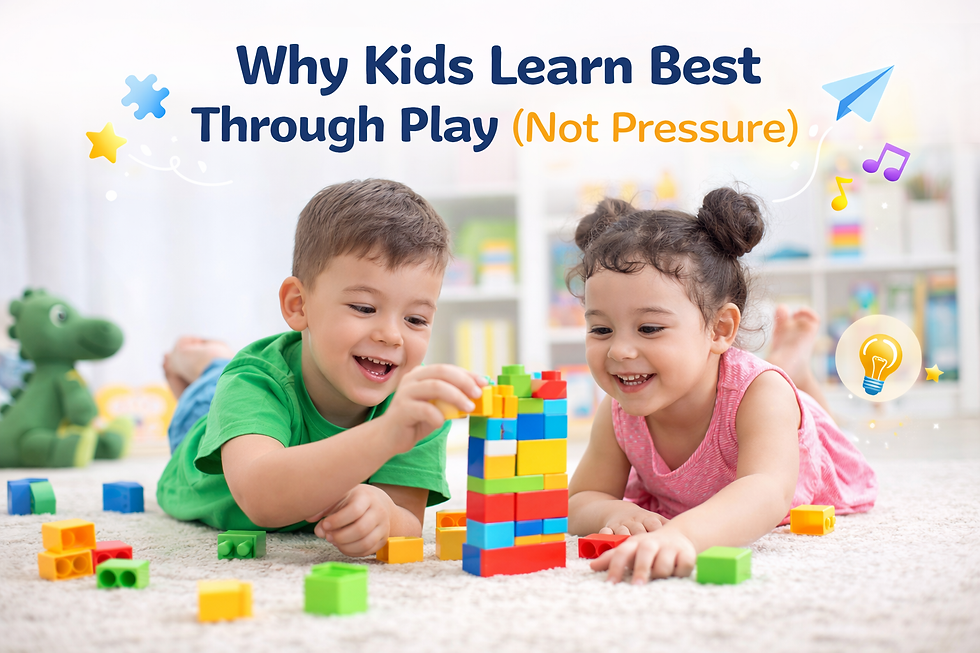
Building blocks
Drawing
Pretend play
5. Create Small Routines
Predictable structure helps kids settle.
For example:
Screen time → Play time → Quiet time
This builds rhythm and focus
A Better Way to Think About Engagement
The goal is not to, keep kids constantly entertained. The goal is to, help them stay engaged — even with simple things. That’s where the right kind of content and activities matter.
Experiences like those on YippiBox are designed to:
Hold attention gently
Encourage participation
Extend learning beyond the screen
Conclusion
If your child gets bored easily, it doesn’t mean, they lack focus. It simply means, their environment is shaping how they engage and with a few small changes, you can help them:
✔ Stay curious
✔ Stay engaged
✔ Enjoy learning again

Comments